Inside the Science: How Roof Temperature Profiles Impact the Effectiveness of Ice Dam Prevention Service

The winter season brings heavy snow and freezing winds. Homeowners often face the hidden danger of ice buildup. This phenomenon occurs due to complex thermal changes on your roof. Science explains why some roofs stay safe while others fail. Understanding heat flow is the key to protecting your home. Now you can learn how temperature profiles dictate the safety of your structure.
The Role of Attic Insulation and Heat Loss
Warm air rises from the living spaces of the house. This heat moves through the ceiling into the attic area. Insufficient insulation allows too much warmth to escape upward. The roof deck then becomes much warmer than the outside air. Sometimes this temperature difference triggers the melting of heavy snow layers. This meltwater flows down toward the cold gutters and eaves. Stratus Roofing understands that heat loss starts the entire destructive cycle. Proper insulation serves as the first line of defense against melting.
The Freezing Point and Eave Temperatures
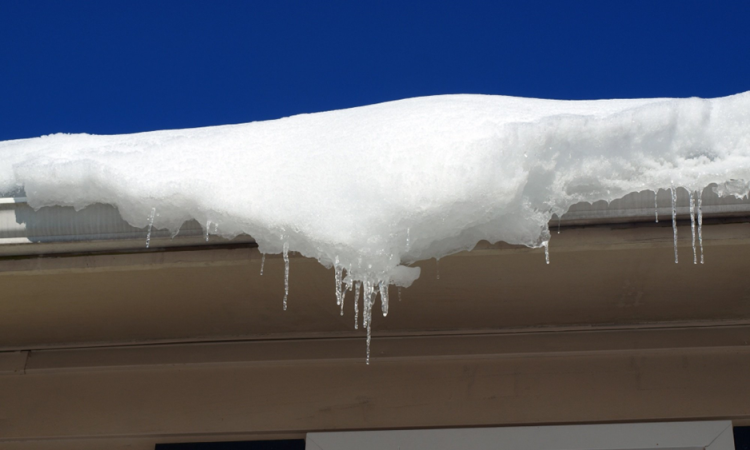
The temperature profile shifts dramatically at the edge of the roof. Overhangs and eaves do not sit above the heated attic. These areas remain exactly as cold as the outdoor environment. Meltwater reaches these freezing surfaces and turns back into solid ice. This creates a thick barrier that traps more liquid water behind it. The resulting pool can seep under shingles and cause internal leaks. But constant monitoring of these thermal zones prevents the initial freeze. Scientists call this specific area the transition zone of the roof.
Solar Radiation and External Weather Factors
Sunlight also plays a major role in roof surface temperatures. Dark shingles absorb thermal energy from the sun during the day. This radiant heat melts snow even on very cold days. Clouds then block the sun and cause a rapid refreeze. These fluctuating cycles weaken the integrity of the roofing materials. Now you see why external factors matter as much as internal heat. The ice dam prevention depends on managing these external and internal temperature shifts. Stratus Roofing uses this data to plan effective protection for every home.
The Science of Thermal Bridging
Structural components like rafters often conduct heat faster than insulation. These paths are known in the industry as thermal bridges. They create localized hot spots on the roof surface above. Snow melts faster over these specific beams and structural supports. This uneven melting pattern makes the temperature profile very inconsistent. You might see stripes of bare roof among thick snow patches. These patterns indicate where the heat is escaping most efficiently. Addressing these bridges creates a more uniform and stable roof temperature.