Big renovations and ground-up builds create a surprising amount of debris. For many of Chicago’s 2025 projects, from multi-room remodels in Logan Square to commercial fit-outs in the West Loop, a 30 Yard Dumpster Chicago rental can be the sweet spot between too-small bins and oversized units that eat up curb space. This guide breaks down when a 30-yard makes sense, what Illinois disposal rules actually say, how to plan ahead in the city’s tightly managed public way, and how to balance cost, capacity, and timelines without surprises.
When a 30 yard dumpster is the right choice for projects
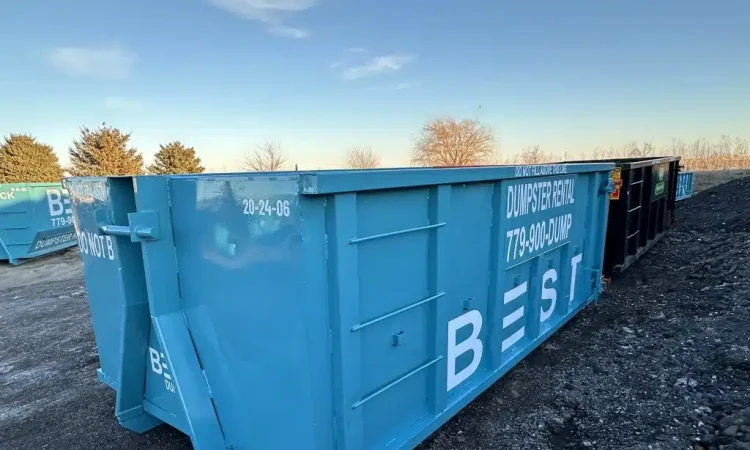
A 30-yard roll-off is the workhorse for medium-to-large jobs. It’s commonly around 22 feet long, 8 feet wide, and about 6 feet tall, roughly nine pickup truck loads of debris. In short: big enough for bulky waste, small enough to place on most driveways or approved street locations in Chicago.
For size comparisons, placement tips, and permit guidance, Click here.
Best-fit scenarios
- Whole-home remodels or multi-room renovations
- Large basement, attic, or estate cleanouts
- Roof tear-offs on multi-family buildings (depending on layers)
- Light commercial build-outs and office decommissions
- Siding, window, and flooring replacements across multiple rooms
If the majority of debris is bulky but not extremely dense, think framing lumber, drywall, cabinets, old furniture, a 30-yard excels. It can also handle mixed construction and demolition (C&D) debris efficiently when crews are sorting for recycling.
When to size up or down
- Heavy materials like concrete, brick, dirt, or plaster-lath add weight fast. For these, a 10- or 20-yard often makes more sense to stay within truck and road weight limits and avoid overweight fees.
- Very small renovations or single-room projects may be fine with a 10- or 15-yard.
A practical rule: estimate the debris volume, then consider density. If the project involves structural demolition with minimal masonry, a 30 Yard Dumpster Chicago rental hits a good balance of capacity, footprint, and cost.
Common uses in construction and large-scale renovations
Contractors and property owners rely on 30-yard containers for speed and fewer hauls. In cities like Chicago, where alley access, parking restrictions, and tight timelines are the norm, fewer swap-outs keep projects moving.
Construction examples
- Residential gut rehabs: Taking a 2–3 flat down to studs often fills a 30-yard multiple times: crews schedule swaps around framing and MEP milestones.
- Commercial interiors: Removing drop ceilings, partitions, flooring, and casework in a 5,000–10,000 sq. ft. space usually maps well to a 30-yard rotation.
- Roofing: A 30-yard can accommodate many shingle tear-offs for smaller multi-family buildings: contractors may choose multiple smaller cans on sites with weight concerns.
Renovation and cleanup scenarios
- Estate cleanouts: Furniture, rugs, and non-donateables add up quickly: the 6-foot sidewalls help contain odd shapes.
- Disaster recovery: After water or fire damage, a 30-yard speeds removal of saturated drywall, insulation, and contents.
- Exterior upgrades: Deck removals (400–800 sq. ft.), siding replacement, and multi-room window swaps typically fit a 30-yard with room to spare.
Because a 30 yard dumpster Chicago option reduces the number of hauls, it’s a favorite for tight schedules. Teams also like that the longer footprint provides safer staging for bulky items, limiting the need to break down every single component.
Illinois disposal regulations every renter should know
Chicago renters operate under state and local rules designed to keep hazardous materials out of landfills and the public way safe.
What can’t go in a standard 30-yard
- Hazardous waste: solvents, fuels, pesticides, asbestos, and medical waste require specialized handling and cannot go in roll-offs.
- Electronics: Under Illinois’ Consumer Electronics Recycling Act, many covered electronics are banned from landfills and must be recycled through approved programs.
- Tires, automotive batteries, and liquids: These are restricted or banned in Illinois landfills.
- White goods (appliances): Allowed only with special handling: refrigerants must be properly recovered.
- Yard waste: Illinois has longstanding restrictions on landfilling landscape waste: it typically requires separate collection or composting.
When in doubt, ask the hauler for a prohibited items list before delivery. Contamination fees add up fast.
Chicago placement rules and permits
If a dumpster sits on private property (like a driveway), permits are usually not required. Placement on the public way, street or sidewalk, does require a city permit administered through the Chicago Department of Transportation (CDOT). Key points:
- The hauler or contractor typically secures the public way permit: plan a few business days for approval.
- Proper barricades, reflective markings, and nighttime lighting are required to meet traffic control standards.
- Placement cannot block hydrants, bus stops, crosswalks, or ADA access. Alleys must maintain clearance for emergency and sanitation vehicles.
- Some wards and business corridors have stricter rules or time limits, always verify local conditions.
Recycling and diversion expectations
Illinois and Chicago promote C&D recycling. Many facilities accept clean loads of concrete, brick, metal, and untreated wood at lower tipping rates. Projects pursuing LEED or similar goals should request diversion reporting from the hauler and consider separate containers or on-site sorting.
A quick call to a trusted provider before booking ensures the 30 Yard Dumpster Chicago setup meets permit rules, avoids banned materials, and aligns with the project’s recycling goals.
Planning ahead for efficient waste management in Chicago
Good planning saves money and headaches. Chicago adds a layer of logistics, snow, festivals, sports traffic, and dense neighborhoods, so a little coordination goes a long way.
Site prep and access
- Measure the drop area: About 60 feet of straight clearance is ideal for roll-off delivery, with 12–14 feet of vertical clearance. Watch for alley pinch points and overhead lines.
- Protect surfaces: Use plywood under rails on decorative concrete or pavers.
- Stage debris: Keep a clear path from work areas to the dumpster: stack materials to minimize air gaps.
Scheduling and swaps
- Order a day before heavy demo starts. If the can arrives early, crews can stage debris for a faster load-out.
- Plan swap-outs around project milestones (post-demo, post-framing, post-drywall) to keep sites clean and safe.
- Build in buffer time around weather. Snow or major events can delay service windows.
Communication and compliance
- Confirm what’s allowed, included weight, rental duration, and overage fees in writing.
- If placing on the street, align permit dates with actual use. Extending permits late is more stressful than it sounds.
- For HOAs or condo boards, provide dates, placement drawings, and proof of insurance early.
Teams that treat waste as a workflow, versus an afterthought, consistently report lower costs and fewer delays with a 30 Yard Dumpster Chicago rental.
Balancing cost and capacity for long-term projects
Prices vary by neighborhood, distance to transfer stations, disposal markets, and season. In 2025, Chicago renters typically see bundled rates that include delivery, pickup, a set rental period, and a base weight allowance.
Cost levers to watch
- Weight: A 30-yard often includes 3–5 tons. Overage is billed per ton, so avoid loading dense materials if the project doesn’t require it.
- Rental window: Standard terms are 7–14 days. Longer timelines may add daily or weekly fees, but extended rentals can be negotiated on multi-swap jobs.
- Permits: Public way permits add cost and time. Some haulers handle them turnkey, often with an admin fee.
- Contamination: Mixing prohibited items can trigger flat contamination charges plus disposal of the offending item.
Stretching the budget
- Use a smaller can for concrete or brick and the 30-yard for bulky mixed debris.
- Compact and break down materials: don’t ship air.
- Time deliveries so the can is fullest right before pickup to minimize extra hauls.
For multi-month projects, asking for a project rate with scheduled swaps can lock in availability and reduce per-haul pricing.