Interior designers are incredibly creative people with rich imaginations and years of experience at reading architectural drawings and following design and styling trends. Regrettably, this is not often the case with their clients who tend to lack such skills and training. As a result, it can be a big challenge to make them understand and approve proposed interior fit-out ideas.
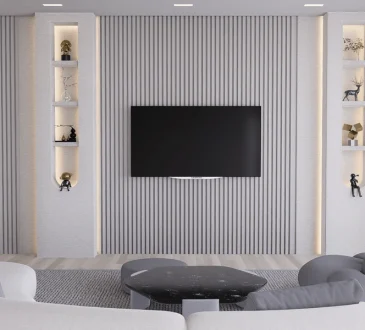
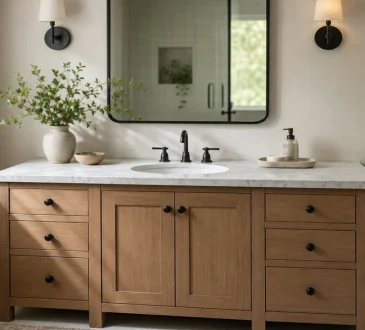
In recent years 3d rendering services have become an indispensible tool for many interior designers to assist them in creating photo realistic images of their proposed design concepts; allowing their clients to have a far more accurate representation of the finished result.
In this article, we’ll take a quick look at some of the key reasons why 3d rendering might be a vital resource for your next interior design project.
Speeding up concept approval
Presenting the client with high quality 3d artist’s impressions removes a lot of uncertainty from their decision making process. Many clients have a difficult time visualising the interior designer’s proposed concepts because they are untrained and unaccustomed at reading architectural floor plans, elevations and joinery drawings. There may also be other supplementary information to consider like internal colours and finishes boards, fixtures and fitting schedules, reflected ceiling plans and electrical plans…
Trying to pool all this information into a singular vision can result in information overload for most clients which can ultimately lead to indecision. By being able to illustrate all these details in a series of life-like images, the uncertainty is removed and the client has far more confidence in making approvals or requesting specific revisions, helping the project to move forward.
Time is also saved at the interior designer’s end because they no longer have to waste endless hours on the phone or in meetings with the client, trying to explain every aspect of the concept.
Multi-Purpose
Aside from being a great tool for quickly illustrating your design ideas to the client, 3d rendered images have a range of other handy uses. Visualisations can be a great resource for builders, cabinet makers and trades-people at the construction site as they provide a quick overview of the target result.
The 3d images can also be a great marketing tool for the client and their real estate agent, allowing them to promote the upcoming project months or even years before it is completed and potentially make some property pre-sales to aid in funding the construction effort.
Insurance policy
Clients often have busy schedules, trying to deal with many issues at once. As a result, they may forget or miss certain details you’ve mentioned to them during the design process. It is also quite normal for clients to change their minds about design specifications as the project progresses.
For the designer, this can result in countless extra hours of work trying to revise drawings and schedules and holding further discussions with the client, attempting to understand the new requirements. All these unexpected changes can be quite costly and time consuming and it is important to ensure the designer can be compensated for the additional hours spent on the project.
Interior 3d renders are an excellent way of tracking the progress of the design process. You can quickly see at a glance the different design iterations and the revisions requested by the client, simply by flicking through some of the superseded image outputs. For the designer, it is vital to have such a record in order to show the client the amount of additional work carried out in the event some dispute arises over additional design fees.
Attainable and affordable
In the early 2000s, architectural visualisation was a luxury that was mostly only affordable to much larger design studios. Small business owners and independent designers were less likely to have the budget to engage visualisation services in the past. Fortunately, times have changed significantly with architectural 3d rendering studios like Cleanpix Graphics becoming far more widespread and mainstream. Rapid improvements in hardware and software technology have ensured that the services are now more affordable and the quality of the supplied artwork is better than ever.
Interior design studios looking to offer 3d renders to their clients are able to outsource this work to other companies helping to spread the workload and avoid making expensive technology and personnel investments in their business.
Don’t get left behind
As 3d rendering technology becomes more readily available, a growing number of interior design studios have begun to offer artist’s impression images as a component for their design projects. It has become a useful tool for many of the top agencies around the world.
As 3d rendering becomes the standard for the interior design process, it will be increasingly important that designers offer some form of visual element when consulting with their clients. Customers must be given confidence in making changes regarding their project as well as understanding the design process – don’t miss out by being behind the curve.