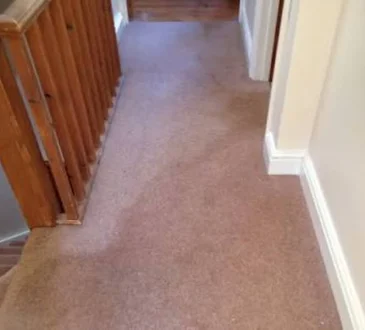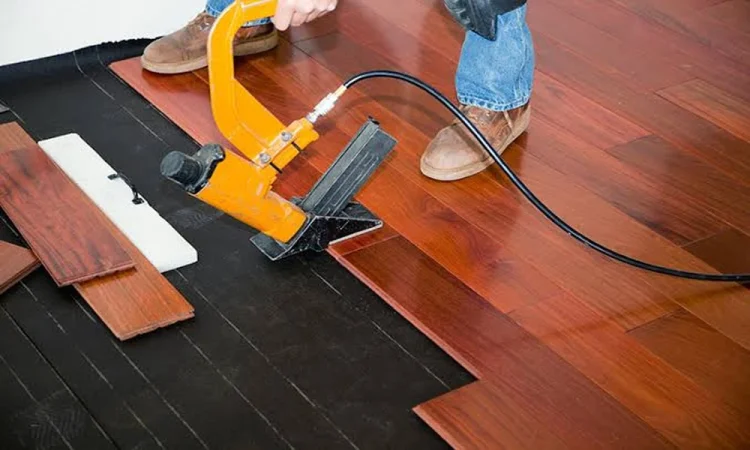
Before replacement flooring is installed after an assessed water event, the person responsible for installation should confirm the evidence required for that flooring system and substrate. A room that feels dry is not, by itself, an installation approval. Keeping the drying record and the installer’s requirements connected helps a homeowner avoid passing an unresolved moisture question from one trade to the next.
Let the new flooring’s requirements define the evidence
A flooring choice introduces its own conditions for installation. The material, adhesive where applicable, substrate and manufacturer’s instructions all belong in that discussion. Ask the installer to identify the requirements for the selected system and who will determine whether they have been met. Do this before treating a delivery date as an installation commitment. The homeowner’s role is to obtain a clear answer, not to invent a testing method.
Keep a distinction between room-air observations and the assessment relevant to the floor. A household humidity display can be useful context, but it is not automatically the evidence required by a flooring manufacturer. Nor does a surface feeling dry under a hand establish the condition of all underlying materials. Let a qualified person explain which observations and tests are applicable and how their results will be recorded.
This conversation is easier before the product is ordered. Tell the flooring supplier that the project follows an assessed water incident and provide the information the installer requests. If a different product is later substituted, ask whether the installation requirements change. A choice made for colour, stock availability or price should not silently inherit the approval criteria for a material that will no longer be used.
Also establish the boundaries of the earlier recovery work. Has the cause of the water event been addressed? Who has assessed the affected materials? Are there unresolved concerns requiring a restoration specialist or another qualified trade? Do not use a new floor covering to close a question that no one has answered. The project needs a suitable basis for installation, not merely a visually clean surface waiting to be covered.
Carry the drying record across the trade boundary
The drying phase may involve commercial dehumidification equipment for the project. Where rental equipment is used, identify its role within the professional plan and keep the relevant hire information with the work record. The rental provider can confirm the supplied machine and instructions, while the responsible assessor or contractor determines what the building condition means for the next stage.
Those records should not be confused. An equipment invoice shows what was hired and for what period. An operator’s log records the observations that person actually made. An installation assessment addresses the requirements for the new flooring. Combining them into one folder is useful; presenting them as interchangeable forms of approval is not. Ask each contributor to state the purpose and limits of the document they provide.
Give the installer the relevant record early enough to ask questions. A set of photographs without room labels may show activity but offer little help in matching evidence to the planned floor area. A short description of the affected space, the work undertaken and the person available for clarification is more usable. Share necessary project information without sending unrelated insurance, financial or personal documents to every contractor.
If the installer and restoration contractor need to discuss a discrepancy, arrange that exchange directly with the homeowner included where appropriate. Repeatedly relaying technical fragments through several people can create misunderstandings. One person may say the drying equipment can be removed while another still needs a particular installation assessment. Those statements may concern different decisions rather than represent a disagreement about the same result.
Maintain version clarity if work changes. An earlier document may refer to carpet replacement while the final selection is another flooring system. Mark the updated product and scope in the project record. That small administrative step helps prevent a valid answer to an old question from being used as an answer to a new one. It is especially useful when scheduling pressure causes orders and trade visits to move independently.
Reserve the installation date with a genuine release condition
Ask how the installer handles a project that is not ready on the provisional date. Understand any rescheduling, storage or delivery conditions before accepting them. This allows the household to compare practical options without feeling forced to proceed because materials are already at the property. The right arrangement depends on the supplier and installer; there is no universal grace period or cost rule to assume.
Write down who will release the area for installation and what information they require. The condition should refer to the selected flooring system and the responsible person’s assessment, not a guessed number of rental days. If the equipment booking ends earlier, resolve the hire separately. A commercial transaction can close while another professional decision remains pending, and the paperwork should make that distinction visible.
Once the requirements are met, retain the final installation and care documents with the earlier project history. This gives the homeowner a coherent record if a future question arises. Avoid describing the folder as a guarantee against all later moisture problems; it records what was assessed and done for this project. Its usefulness comes from clear dates, identified materials and accountable decisions rather than broad promises.
A delayed delivery or adjusted installation appointment may be inconvenient, but it can be managed openly before work starts. An unanswered moisture question becomes much harder to investigate after new materials cover the area. Give the installer the evidence they actually need and leave room in the schedule for the answer. The new floor deserves a documented beginning, with the earlier recovery work properly handed over.