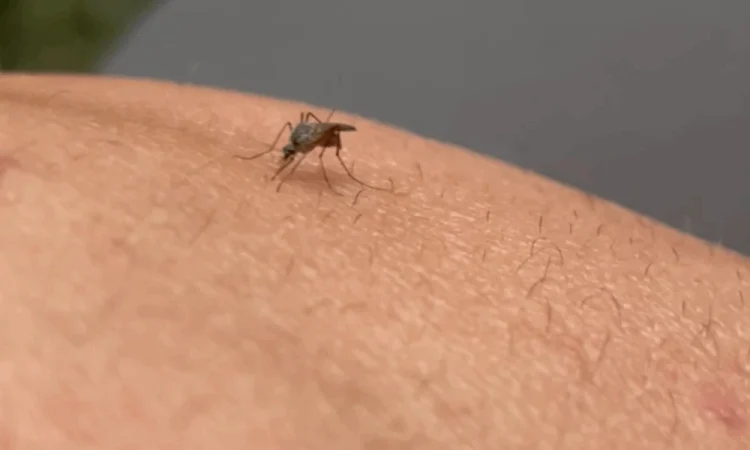
Springfield’s mix of creeks, low ground, and warm, humid summers gives mosquitoes plenty of places to breed. The city drains toward several waterways, and heavy spring and summer rain leaves water standing in ditches, yards, and containers for days. Mosquitoes need only a small pool of still water to lay eggs, and warm weather lets them go from egg to adult in about a week. These factors can keep mosquito activity high from late spring through early fall across much of the city.
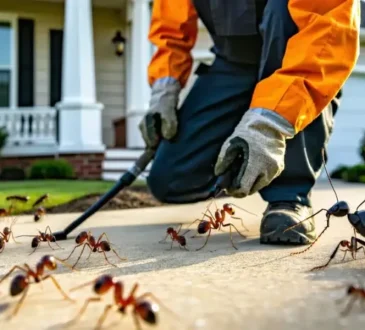
Effective mosquito control Springfield, MO starts with finding and treating the water where mosquitoes breed. A technician who inspects a property can spot the resting sites and standing water a homeowner may miss. Treating these areas can reduce adult mosquito numbers before they reproduce.
Standing Water Close to Home Breeds Most Mosquitoes
Mosquitoes do not travel far from where they hatch. Most stay within a few hundred yards of their breeding site, which means the mosquitoes biting in a yard usually came from that yard or a neighbor’s. Clogged gutters, plant saucers, tarps, buckets, and low spots in a lawn each collect enough water to breed hundreds of mosquitoes. Even a bottle cap of water can support larvae. Because these small pools can sit in shaded areas or behind clutter, they may go unnoticed for weeks. Emptying and drying these spots each week can disrupt the mosquito breeding cycle.
Springfield’s Creeks and Drainage Feed the Problem
Springfield’s terrain channels water toward creeks such as Jordan Creek and Wilsons Creek, along with Lake Springfield and a network of drainage ditches. These low, shaded corridors stay damp and give mosquitoes constant breeding ground through the warm months. Yards near creeks, ditches, or retention ponds often see more mosquitoes than those on higher, drier ground. Shade and standing water can create areas where mosquitoes thrive.
What West Nile Virus Means for Springfield Households
Mosquitoes in Missouri can carry West Nile virus, which is spread mainly by Culex mosquitoes. The Missouri Department of Conservation notes that about 80 percent of infected people show no symptoms, roughly 20 percent develop flu-like illness, and about 1 in 150 develop a serious illness affecting the brain. Older adults and people with weaker immune systems face the highest risk of serious illness. Because that risk is real, many Springfield homeowners use recurring mosquito service. Palisade Pest Control treats mosquito resting and breeding areas on a schedule that follows seasonal activity, helping reduce the number of biting adults around a home.
Yard Habits That Cut Mosquito Breeding
Regular yard care can help homeowners reduce mosquito numbers. Clearing gutters, turning over containers, and changing birdbath water twice a week removes common breeding sites. Trimming tall grass and thick shrubs takes away the shaded spots where adults rest during the day. Grading low areas so water drains removes the pools that form after rain. Screens on doors and windows, kept in good repair, also stop the adults that do hatch from getting indoors. These steps work best alongside professional treatment because standing water can still collect in areas that are easy to miss.
A Mosquito Season That Runs Long
Springfield’s warm season stretches from spring into October, and mosquitoes stay active the whole time. Different species peak at different points, so pressure rarely lets up for long. Floodwater mosquitoes surge after heavy rain, while Culex numbers build through the heat of late summer, when West Nile risk is highest. A single treatment early in the year fades well before the season ends. Coverage through fall matches the period when these pests remain active.