Submersible pumps are essential tools for managing water in a variety of UK environments, from flooded basements and garden ponds to construction sites and drainage systems. Choosing the correct pump ensures reliable performance, prevents property damage, and saves time and money on maintenance or replacements. With so many options available, it’s important to understand the different types, features, and requirements before making a purchase.
Understanding Submersible Pumps
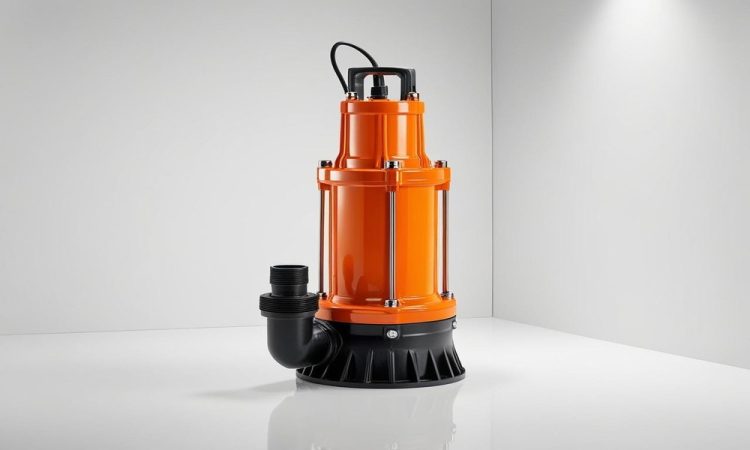
A submersible pump is designed to operate while fully submerged in water. This design allows for efficient pumping of water from wells, sumps, tanks, or flooded areas. Unlike surface pumps, submersible models push water to the surface rather than pulling it, which makes them more efficient in many applications.
Submersible pumps can be categorised based on their use:
- Clean water pumps: Designed for clear water with minimal debris, such as garden ponds or rainwater collection.
- Dirty water pumps: Capable of handling water with silt, mud, or small solids. Ideal for flooded basements or drainage tasks.
- Trash pumps: Heavy-duty pumps designed for water containing large solids, commonly used on construction sites or in industrial applications.
Understanding the type of water you need to pump is the first step in selecting the right pump.
Key Factors to Consider
When choosing a submersible pump, several key factors determine which model will be most effective:
1. Flow Rate
Measured in litres per hour (l/h), the flow rate determines how quickly water can be removed. Higher flow rates are essential for larger areas or emergency flooding scenarios.
2. Head Height
Also known as pumping height, this is the vertical distance the pump must move water. Ensure the pump’s head capacity matches your system requirements.
3. Power Source
Electric submersible pumps are common for home and garden use, while petrol or diesel-powered models are better suited to remote sites without mains electricity.
4. Solids Handling
If pumping water with debris or silt, choose a pump rated for solids to prevent clogs and maintain performance.
5. Automation Features
Pumps with float switches or automatic sensors activate when water reaches a certain level, allowing hands free operation, particularly useful in basements or storage areas.
Carefully considering these factors ensures the pump will meet the demands of your property or site.
Installation and Safety Tips
Proper installation and safe operation are essential for performance and longevity:
- Always follow the manufacturer’s instructions.
- Use appropriate electrical protection (RCD circuits) for indoor or wet environments.
- Ensure hoses are properly secured and free of kinks.
- Avoid running pumps dry, which can damage internal components.
Safe installation prolongs the pump’s life and reduces the risk of accidents or malfunctions.
Frequently Asked Questions
Can one submersible pump manage multiple areas?
Yes, provided its flow rate and pumping height are sufficient for combined volumes.
Is a submersible pump better than a surface pump for flooded basements?
Generally, yes. Submersible pumps are designed to operate underwater and efficiently remove large volumes of water.
How do I know if I need a dirty water or trash pump?
Dirty water pumps handle small solids, while trash pumps can cope with larger debris without clogging.
Can submersible pumps be left running unattended?
Automatic pumps with float switches can operate safely, but monitoring during heavy flooding is recommended.
Final Thoughts
Selecting the right submersible pump is crucial for effective water management on properties or sites.
By considering the type of water, required flow rate, head height, and any automation features, homeowners and site managers can ensure their pump performs reliably. With the correct choice, submersible pumps offer peace of mind, protecting property and reducing maintenance challenges in the long term.