A toilet that won’t flush properly is one of the most frustrating and inconvenient issues a homeowner can face. Whether your toilet is not flushing all the way, not flushing well, or simply seems weaker than it used to be, these symptoms usually point to underlying problems that range from minor to serious. In this article, we’ll explore the most common reasons your toilet is not flushing as it should and offer practical solutions to help you fix the issue.
1. Partial or Weak Flush: What’s Going On?
When your toilet is not flushing all the way or not flushing well, the first thing to understand is that effective flushing depends on a strong flow of water entering the bowl. If that flow is weak or inconsistent, waste may not be cleared completely, leaving you wondering, why is my toilet not flushing properly? The causes can be simple — like low water level — or more complex, such as clogged internal parts.
2. Low Water Level in the Tank
A toilet not flushing properly can often be traced back to insufficient water in the tank. If there’s not enough water available when you flush, the resulting force isn’t strong enough to push waste through the trap and into the drain line. Check the water level in the tank — it should be about one inch below the overflow tube. If it’s lower, adjust the fill valve to allow more water to enter.
3. Clogged Rim Holes or Jet
Toilets use small holes under the rim and a larger jet hole at the bottom of the bowl to channel water during a flush. Over time, mineral deposits and debris can clog these holes, reducing water flow and weakening the flush. This can make your toilet not flush all the way. Cleaning these holes with a wire brush or a commercial descaler can restore proper flow and improve flushing performance.
4. Blocked Trap or Drain Line
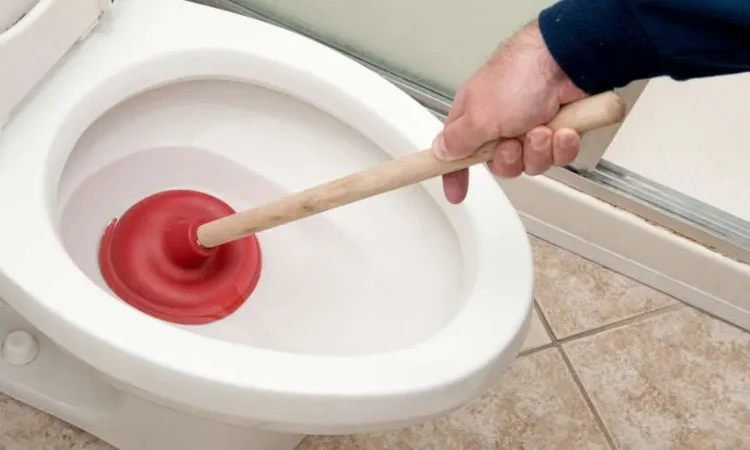
A common reason for a toilet not flushing all the way is a partial clog in the toilet’s trap or the main drain line. Things like excessive toilet paper, feminine products, or foreign objects can cause blockages that slow drainage. A plunger or a toilet auger can usually remove these obstructions. If plunging doesn’t work, you might need a professional plumber to clear deeper blockages.
5. Faulty Flush Mechanism
Inside the toilet tank, the flush handle, lift chain, flapper, and other components work together to initiate a flush. If any of these parts are worn, misaligned, or broken, the toilet won’t flush properly. For example, a flapper that doesn’t lift fully restricts water flow, resulting in weak flushing performance. Replacing worn internal parts is often inexpensive and can make a big difference.
6. Problems With the Fill Valve
The fill valve controls how water refills the tank after each flush. If the fill valve is malfunctioning, the tank may not refill completely, leaving too little water for the next flush. This can make your toilet not flushing well over time. Replacing an old or faulty fill valve is usually a straightforward fix.
7. Vent Pipe Blockage
Plumbing systems include vent pipes that allow air to enter the drain system, preventing vacuum locks and ensuring smooth flushing. If the vent pipe on your roof is obstructed by debris, leaves, or even a bird’s nest, it can cause slow or incomplete flushing. Clearing the vent pipe can restore proper airflow and improve toilet performance.
8. Hard Water Buildup
Hard water minerals can leave scale buildup inside the toilet bowl, tank, and flush mechanisms. This buildup can restrict water flow and reduce flush strength, causing a toilet not to flush all the way. Regular cleaning with a vinegar solution or descaling products can help manage mineral deposits and keep your toilet operating efficiently.
9. Aging or Inefficient Toilet Design
Older toilets or low-flow models sometimes struggle to generate enough flushing force, especially if they weren’t designed with efficient flushing in mind. If your toilet consistently fails to flush properly despite troubleshooting, it might be worth upgrading to a newer, high-performance model designed to deliver powerful flushes with less water.
10. Sewer Line Issues
In rare cases, a toilet not flushing properly could indicate a problem with your home’s main sewer line. Tree roots, ground shifting, or damage to the sewer pipe can cause significant blockages that affect all fixtures in your home. If multiple drains are slow or backed up, you should contact a professional plumber to inspect your sewer line.
Conclusion: Fixing a Toilet That’s Not Flushing
A toilet that won’t flush all the way or not flushing properly can often be fixed with a little troubleshooting and basic tools. Start by checking the water level, inspecting internal parts, and clearing minor clogs. For persistent issues, such as vent blockages, sewer line problems, or recurring weak flushes, professional assistance may be needed. Understanding why your toilet is not flushing gives you a solid foundation to tackle the problem and restore a fully functional bathroom fixture.