How Warranty Callbacks Handle Persistent Ants Between Regular Visits

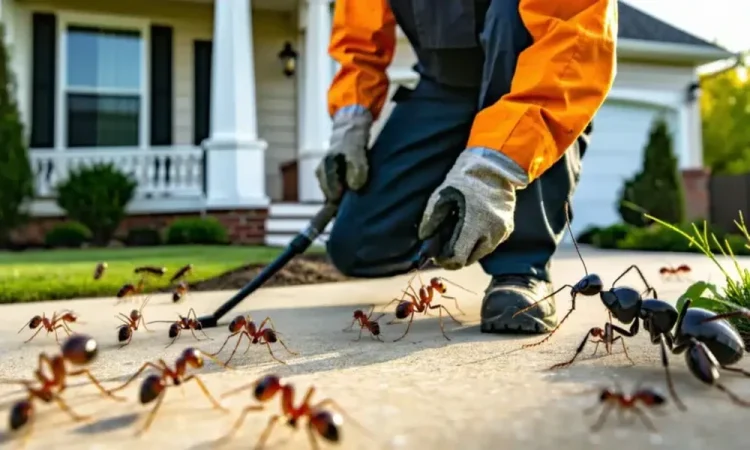
Ants don’t always wait for the next scheduled service. A technician may treat the perimeter of a Central Florida home at the start of the month, only for a fresh ant trail to appear along the kitchen counter a few weeks later. That reappearance can be frustrating, especially for homeowners who thought the problem had already been taken care of. The answer is usually less discouraging than it first appears. Ant colonies respond to food, moisture, and changing weather in predictable ways, which is why recurring pest control plans often include return visits between scheduled services. At avatapest.com, the service guarantee provides those follow-up visits at no additional charge when ant activity returns. Understanding why ants come back makes the value of that callback clearer.
Why Ants Come Back Weeks After a Treatment
A perimeter treatment targets the ants that cross the treated area, but the colony itself is often nesting well beyond it. Even after treatment, a few common behaviors can bring ants back indoors.
- Colonies bud and split. Several species common to the region, including ghost ants, respond to disturbance by breaking into smaller satellite nests, each able to send out its own foragers.
- Moisture draws them inside. Kitchens, bathrooms, and laundry rooms offer the damp conditions ants look for during dry spells and heavy heat alike.
- Food reopens the trail. A sticky spill or an open pet bowl can restart foraging along a path the last treatment had cleared.
- Weather changes the pressure. Central Florida’s summer storms flood outdoor nests and can push whole colonies toward the dry ground of a foundation and the walls above it.
What a Callback Covers Between Scheduled Visits
The Avata Service Guarantee covers this situation. When pests linger between regular treatments, a technician comes back to re-treat the affected areas at no added cost. That matters with stubborn ants, because the fix usually comes down to a closer look at where the colony has moved.
A return visit often involves:
- Retracing the active trail to find the entry point the ants favor now.
- Treating the harborage or void where a satellite nest has formed.
- Refreshing the exterior barrier where the foragers are getting through.
- Noting the moisture or food source drawing the colony, so the homeowner can close it off.
A callback lets the technician respond to new ant activity instead of repeating the original treatment.
How a Second Visit Builds on the First
Ant control rarely ends with one visit. The callback gives the technician a chance to respond to new activity before the next scheduled treatment. When a colony buds after the first service, catching the offshoot early keeps it from maturing into a nest of its own. That kind of steady attention is what gradually brings the pressure inside a home under control.
A technician’s familiarity with a property helps here too. Someone who has walked the yard before knows where the fire ants mound in the lawn, which door gap the ghost ants favor, and how the last storm rerouted the trails. That familiarity makes it easier to focus on the areas most likely to need attention.
Making Each Return Visit Count
Homeowners can help a callback succeed with a few steps between appointments.
- Leave a fresh trail undisturbed until the technician arrives, since a visible path shows where to treat.
- Wipe down counters and store food, but hold off on heavy cleaning of the trail itself.
- Point out any new moisture, from a dripping fixture to a clogged gutter, that might be inviting the colony.
- Note when and where you see them, so the pattern is easy to share.
Small observations like these give the technician a better idea of where the ants are active and where treatment is most likely to help.
Why Consistent Coverage Helps Keep Ants Under Control
Persistent ants can be frustrating because they keep returning in small waves. A recurring program with free callbacks means a homeowner isn’t stuck waiting until the next scheduled visit when a new trail shows up. In a Central Florida summer where ants stay active for months, that continued attention helps keep trails from becoming a recurring problem.